

Commentary
Safa Naser
{
  "authors": [
    "Heba F El-Shazli"
  ],
  "type": "commentary",
  "blog": "Sada",
  "centerAffiliationAll": "dc",
  "centers": [
    "Carnegie Endowment for International Peace",
    "Malcolm H. Kerr Carnegie Middle East Center"
  ],
  "englishNewsletterAll": "menaTransitions",
  "nonEnglishNewsletterAll": "",
  "primaryCenter": "Carnegie Endowment for International Peace",
  "programAffiliation": "MEP",
  "programs": [
    "Middle East"
  ],
  "projects": [],
  "regions": [
    "Middle East",
    "Tunisia",
    "North Africa"
  ],
  "topics": [
    "Civil Society",
    "Democracy"
  ]
}
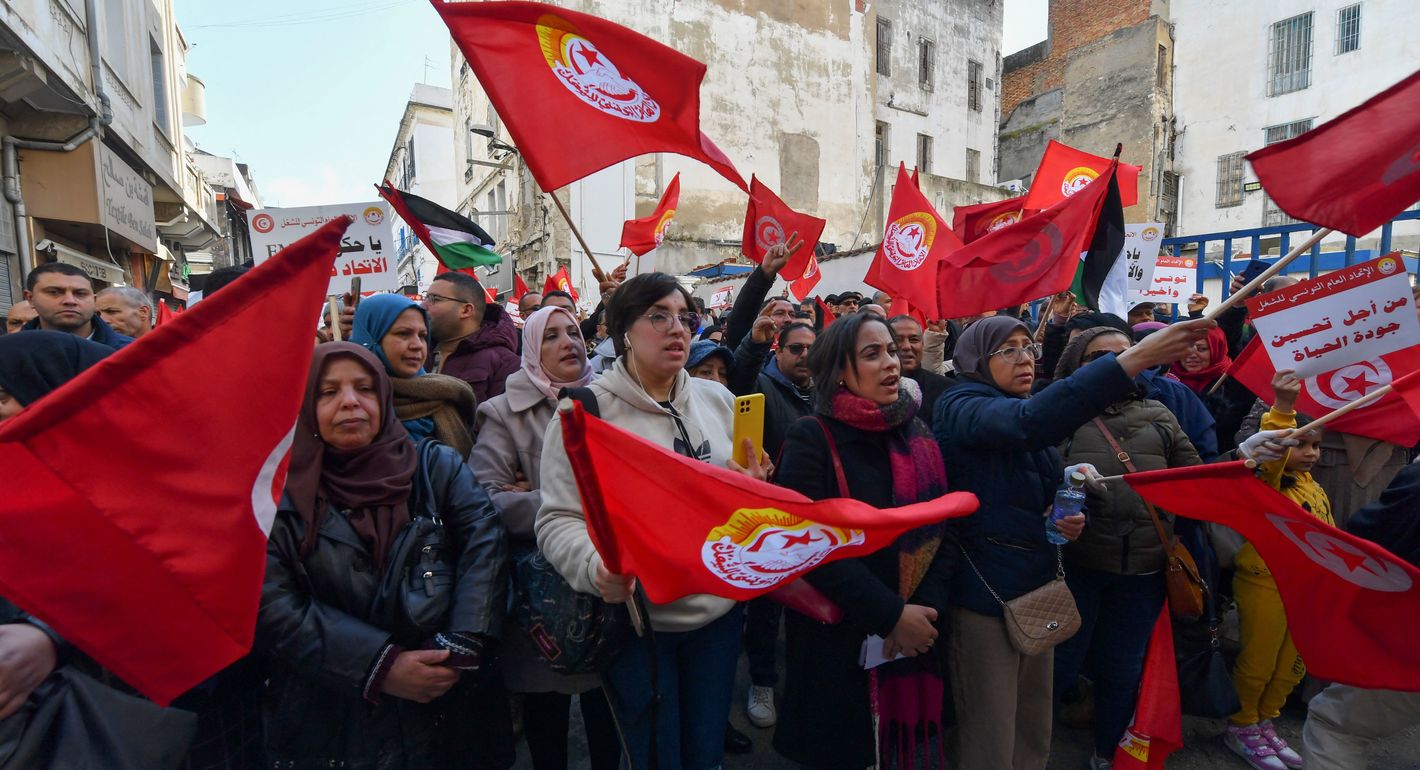
Source: Getty
As members, organizers, and leaders, women continue to play an important role in the General Union of Tunisian Workers and advance its political advocacy.
In January 2011, Tunisia’s anti-regime protests helped spark the Arab Uprisings, and Tunisia was the only country where the labor movement played a credible leadership role both during and after the revolution. The General Union of Tunisian Workers (UGTT) worked with other civil society organizations to defend basic civil liberties and protect the country’s economic development and its workers, and in 2015, the UGTT was part of a group of Tunisian organizations that was awarded a Nobel Peace Prize. What has often been overlooked, however, is the instrumental role that women trade unionists played during the revolution and its aftermath.
Since its founding in 1946, the UGTT has been an integral part of the Tunisian social fabric—first in the fight against colonialism, and then during the long periods of authoritarian rule after 1956, where participation in trade unions served as the only outlet for political expression. After the events in Sidi Bouzid in late December 2010, UGTT rank-and-file members began organizing in villages, towns, and cities throughout the country to protest the Ben Ali regime. According to a woman leader in the education workers’ union, organizing was done incrementally, slowly building support among Tunisians of all backgrounds, and women trade unionists were involved in every step. In preparation for a national strike on January 14, 2011, for instance, UGTT women unionists visited a textile factory outside of Tunis, where women workers crammed into small meeting rooms to learn about and join the UGTT’s efforts.
Elected leadership positions in the UGTT did not come easily for women, and only after decades of activism. The women’s committee, founded in 1982, became a constituent body of the UGTT leadership in 1991, and in January 2017, the UGTT introduced quotas for women at all levels of the hierarchy. For the first time, the union elected a female member to its executive board and soon after two additional women integrated in the UGTT’s governance structures. Today, there are women in leadership positions at every level, and women represent 55 percent of the UGTT’s membership. These women have recruited new members, organized protests, held training workshops, coordinated activities with Tunisian women’s organizations, and much more.
As a leading voice in the political arena, advocating for economic improvement and public policy reform, the UGTT has become a target of Tunisia’s ruling regime. The UGTT has firmly opposed the government’s severe austerity measures, including cuts to social services and subsidies for the poor, diminished public sector salaries, and rising costs of drinking water and fuel, which will only worsen living standards for ordinary Tunisians. In January 2023, alongside other Tunisian NGOs, the UGTT launched a National Salvation Initiative to address the country’s economic, political, and social crises. Yet the government’s response has been to arrest and harass trade union leaders and members, and to refuse any engagement with such initiatives.
Amid this crackdown, women trade unionists have reflected on their involvement in Tunisia’s revolution. Many believe that the effort to draft a new constitution was a waste of time and effort, raising deep questions about national identity and religion and delaying the political transition. Now, as a woman union leader from Gafsa noted, political organizing is hampered by widespread feelings of apathy among Tunisians. “In general, people are exhausted, tired, hungry, unemployed, and going to protest is just not useful or effective,” she said.
Yet Tunisian union women are far from giving up. As active members of the UGTT, they believe they can make changes from within the union and continue to ensure that their voices are heard—striving for a better future for all Tunisians.
Note: Interviews with women union members were conducted by the author between January 29 and February 1, 2024, in Gafsa, Tunis, Silana, Beja, and Monastir.
Heba F El-Shazli
Heba F. El-Shazli is an Associate Professor at the Schar School of Policy and Government, George Mason University, and a Visiting Academic at the Middle East Centre, St Antony’s College, Oxford University for the 2023-23 academic year.
Carnegie does not take institutional positions on public policy issues; the views represented herein are those of the author(s) and do not necessarily reflect the views of Carnegie, its staff, or its trustees.
Safa Naser
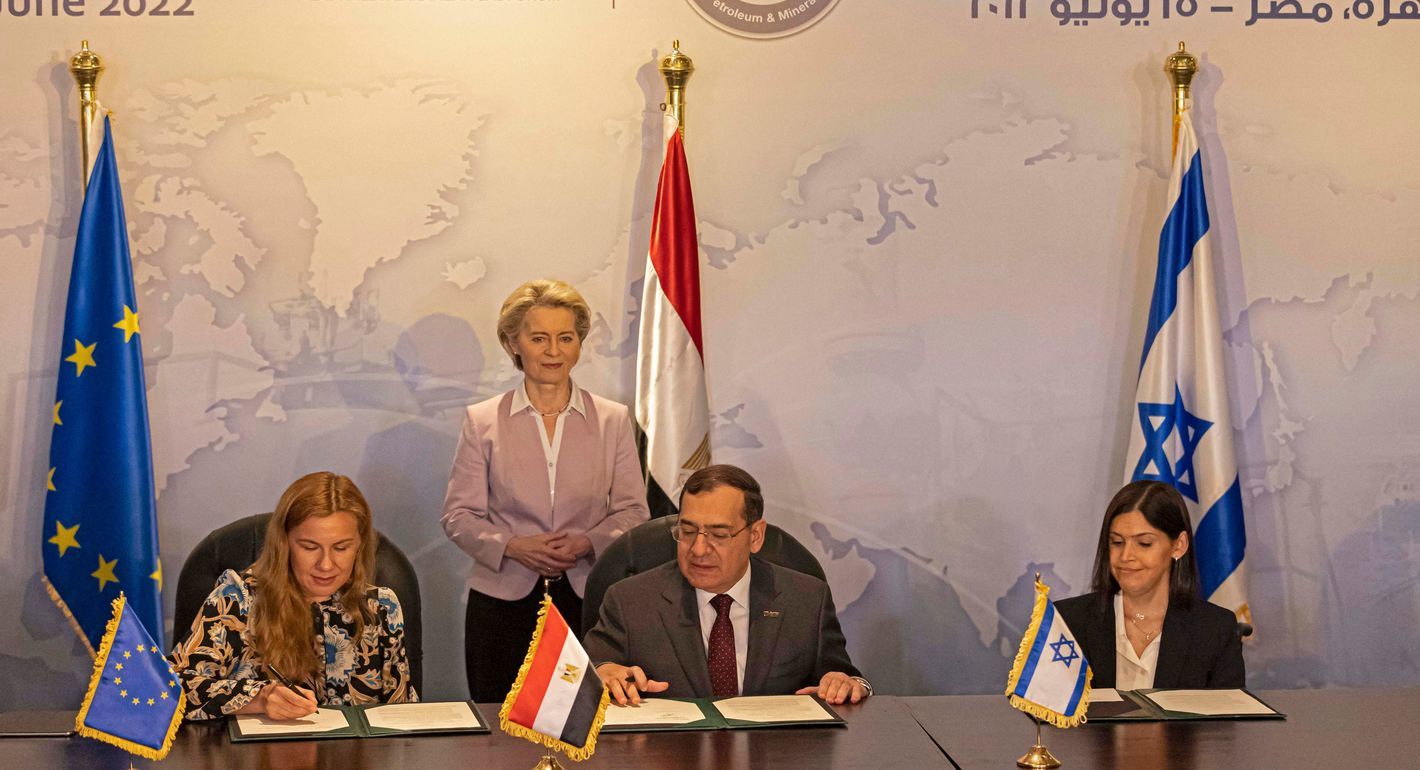
Can economic ties help contain conflict between Egypt and Israel, or do they simply postpone confrontation? Drawing on the German-Russian experience, the article examines how the gas deal creates mutual dependence, keeps channels of cooperation open, and raises the cost of conflict, without necessarily delivering lasting peace.

Nourhan Hefzy
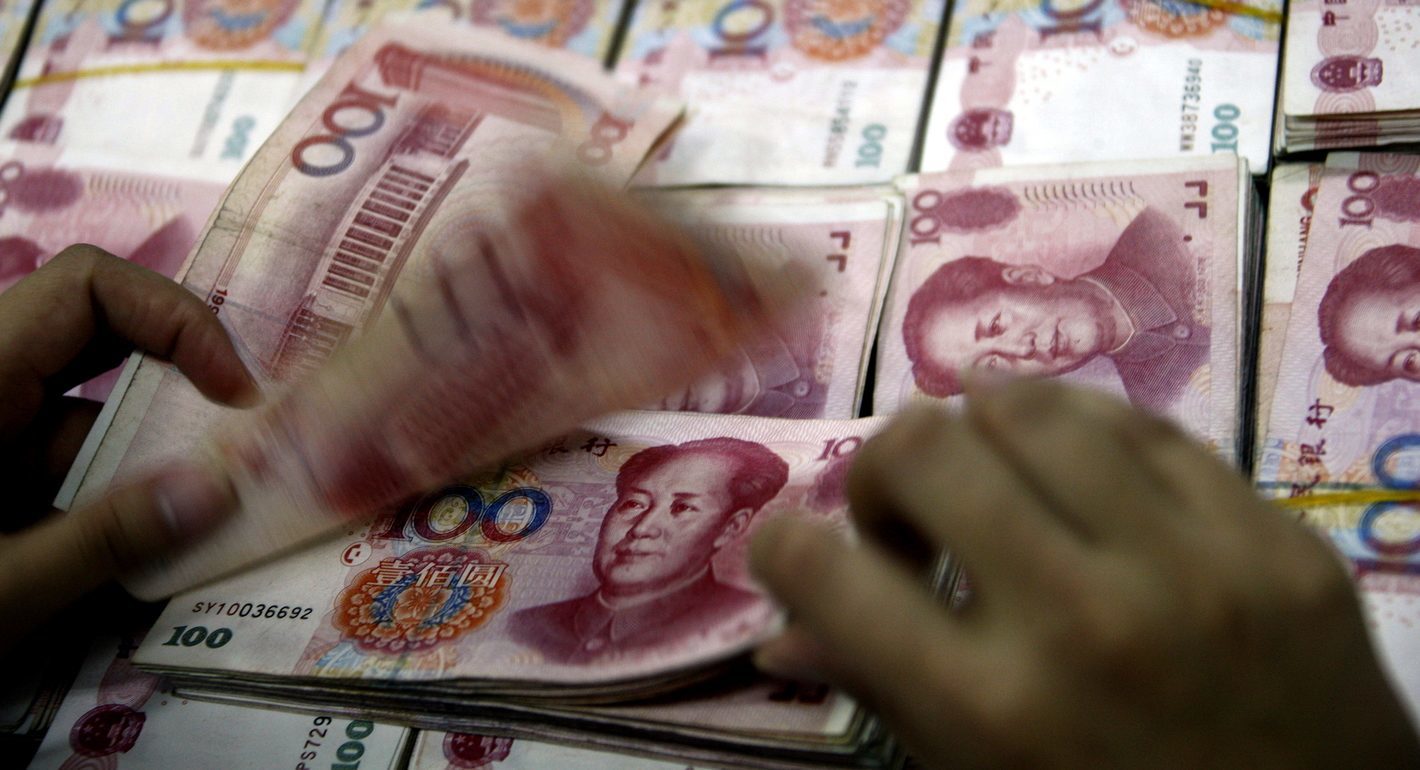
Is the Gulf moving beyond the dollar? This article examines how China is expanding the renminbi's role across Gulf markets, what that means for regional finance, and why the future of global currencies is more complex than the de-dollarization debate suggests.

Andrew Bonney
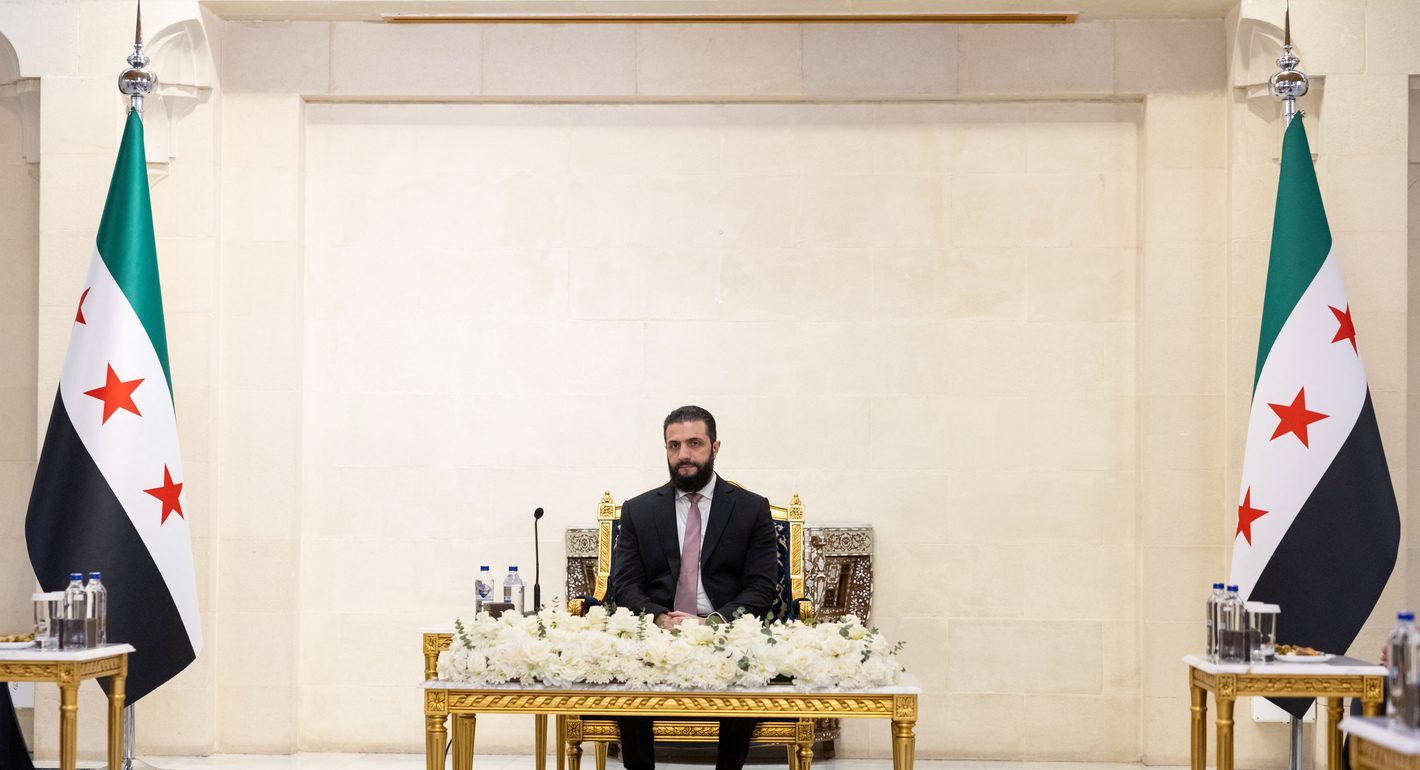
Syria's transition promised a fresh start. But are old habits of power making a comeback? This analysis looks at the warning signs and what it will take to build a more accountable state.

Sima Beitinjaneh
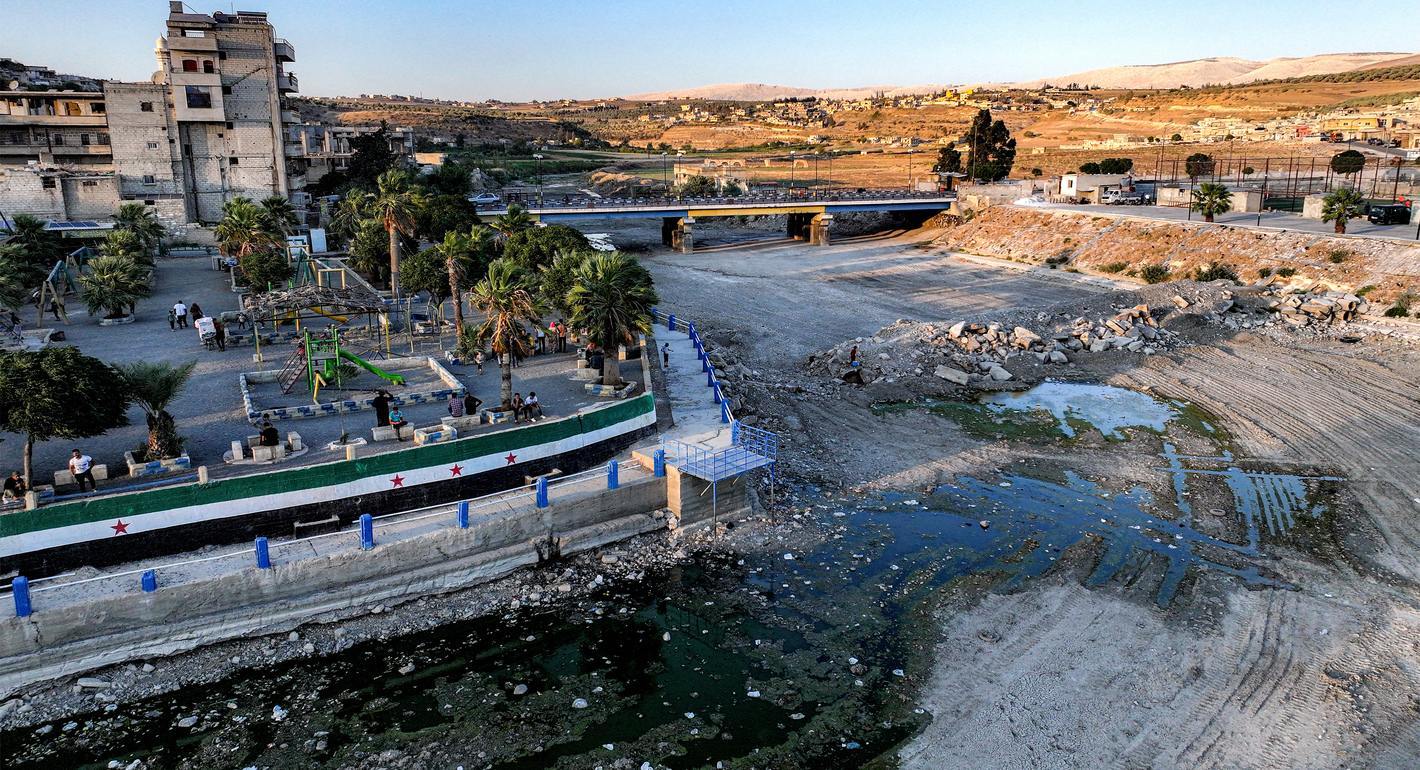
Syria’s worsening drought is no longer a seasonal crisis. This report explains what climate change is doing to rainfall, groundwater, and food security, and what solutions experts say are still possible.

Milia Esper